


Understanding the Ford Service Schedule
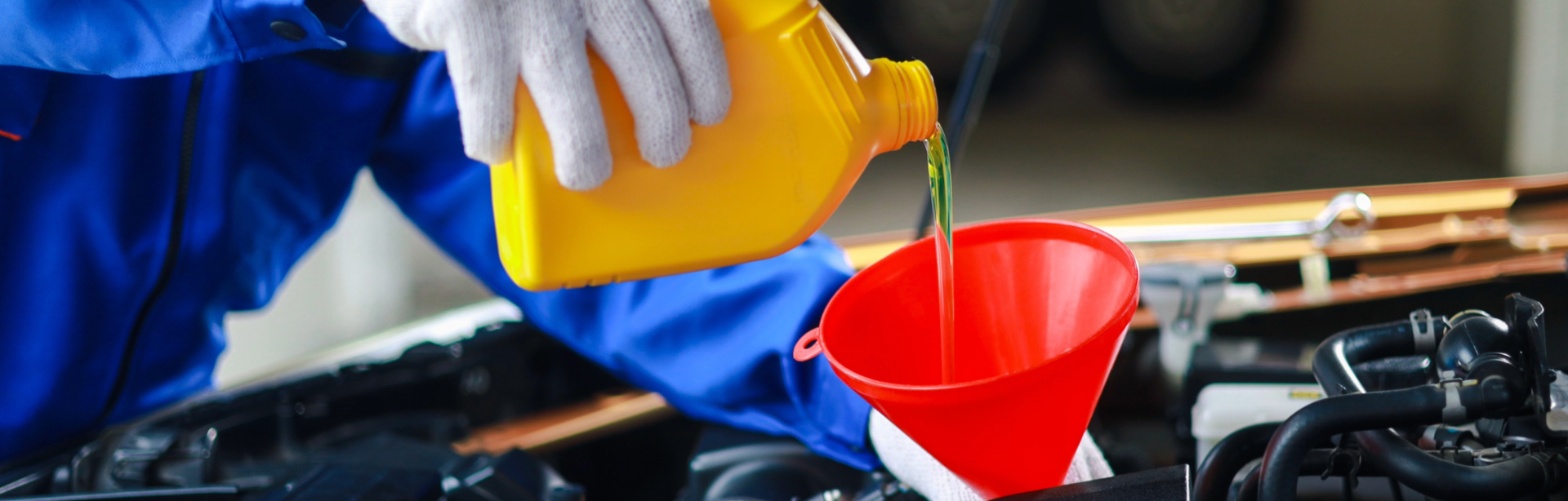
Welcome to your locally tailored maintenance guide for Ford drivers in East Peoria and the surrounding areas like Peoria, Washington, Morton, Pekin, Bloomington, and Metamora! At Uftring Ford, we’ve spent decades building trust in our community, and we understand the unique demands of driving on local roads, especially with our Midwestern climate. Whether you’re navigating the busy I-74 or making weekend trips to Splashdown Water Park, this guide is designed to keep your vehicle performing reliably through every season, ensuring it meets the specific needs of our region’s drivers.
With years of experience servicing Ford vehicles right here in East Peoria, we’ve tailored this maintenance schedule to reflect the driving conditions and challenges unique to our area. From icy winter roads to hot summer days, our guide will help you maintain your Ford in peak condition, so you can focus on what really matters-enjoying the ride.
Why Should You Follow a Maintenance Schedule for Your Ford?
Following a maintenance schedule is crucial for protecting your investment in a Ford vehicle and ensuring it remains dependable for your daily journeys, especially in East Peoria. The local climate, with its hot summers and high humidity, puts extra strain on fluids, belts, and filters. The seasonal pollen can also clog air filters, impacting performance. Regular service helps address these challenges, so your vehicle performs at its best, whether you’re commuting across I-74 or taking family trips to Splashdown Water Park.
Maintaining your Ford according to the recommended schedule directly enhances its performance, fuel efficiency, and safety. For instance, routine oil changes and fluid checks ensure that your F-150 can handle the demands of daily driving, whether it’s navigating the busy streets of the Levee District or making quick trips to Northwoods Mall. It’s not just about avoiding breakdowns; it’s about ensuring your vehicle operates smoothly, giving you peace of mind on every drive. For more insights on vehicle care, resources like Edmunds offer a wealth of information.
How Does Ford’s Service Reminder System Work?
Many Ford vehicles are equipped to notify drivers when it’s time for routine maintenance. Depending on the model and year, this reminder can either be a straightforward time or mileage-based counter, or it may adjust based on how the vehicle is used. This flexibility is designed to help you stay informed about necessary service without assuming a one-size-fits-all approach.
When maintenance is due, drivers typically see a dashboard message, a service indicator like a wrench light, a maintenance reminder, or an oil-life percentage displayed. Since the specifics can vary by model, it’s important to refer to the owner’s manual for the exact schedule. Additionally, local driving patterns in areas like East Peoria and nearby Morton or Pekin-such as frequent short trips, stop-and-go traffic, towing, or temperature fluctuations-can influence how often you need to service your vehicle.
What Does the Primary Service Reminder Mean?
Understanding your vehicle’s primary service reminder is essential for maintaining its performance. This reminder serves as a general alert indicating that scheduled maintenance is either due or approaching. Depending on the model and year, some vehicles may display a simple message or indicator, while others offer more detailed insights through a maintenance menu or dashboard display. For precise information on what services are required, refer to your owner’s manual or the in-vehicle maintenance screen.
Primary reminder: This is a broad notification prompting you to check your vehicle’s scheduled maintenance recommendations and plan for necessary service. It signals that maintenance is due, but it may not specify every individual item that requires attention.
Additional details (if shown): Some vehicles provide further information, such as a maintenance screen, a percentage of service completion, descriptive messages, or symbols. If your vehicle presents these details, use them in conjunction with the owner’s manual to confirm the specific services needed.
What Do Additional Service Indicators Mean?
Many Ford vehicles feature additional service indicators that go beyond the primary reminder. These indicators may include extra items, symbols, or menu options that provide more specifics about upcoming maintenance needs. The exact details can vary significantly from one model to another, so it’s essential to refer to your owner’s manual for clarification. Below are some common service items that you might encounter.
- Tire rotation: Regular tire rotation promotes even tread wear, which is especially important for drivers navigating the stop-and-go traffic on East Peoria’s Springfield Road or traveling long stretches on I-74.
- Engine and cabin air filters: Engine air filters ensure proper airflow to the engine, while cabin air filters maintain interior air quality. Dust and pollen, common in the East Peoria area, can clog these filters over time, impacting performance.
- Transmission fluid: Transmission fluid service is crucial for long-term maintenance. Frequent short trips or driving on hilly terrain can place extra stress on the transmission, making timely fluid changes vital.
- Spark plugs and valve clearance check (when applicable): Spark plugs typically need replacement at certain intervals, and some engines may also require a valve clearance check, particularly as they age.
- Engine coolant: Engine coolant helps maintain optimal operating temperatures. Hot summer days or extended highway driving can increase the system’s demands, making regular checks important.
- Rear differential fluid (AWD/4WD, if equipped): For vehicles with all-wheel drive or four-wheel drive, the rear differential fluid may need servicing, especially after driving in wet or rugged conditions common in the East Peoria area.
- Brake fluid: As brake fluid ages, it can absorb moisture and affect braking performance. If this is listed as a maintenance item, adhere to the recommended intervals for your specific vehicle.
What is a Typical Ford Service Schedule for East Peoria Drivers?
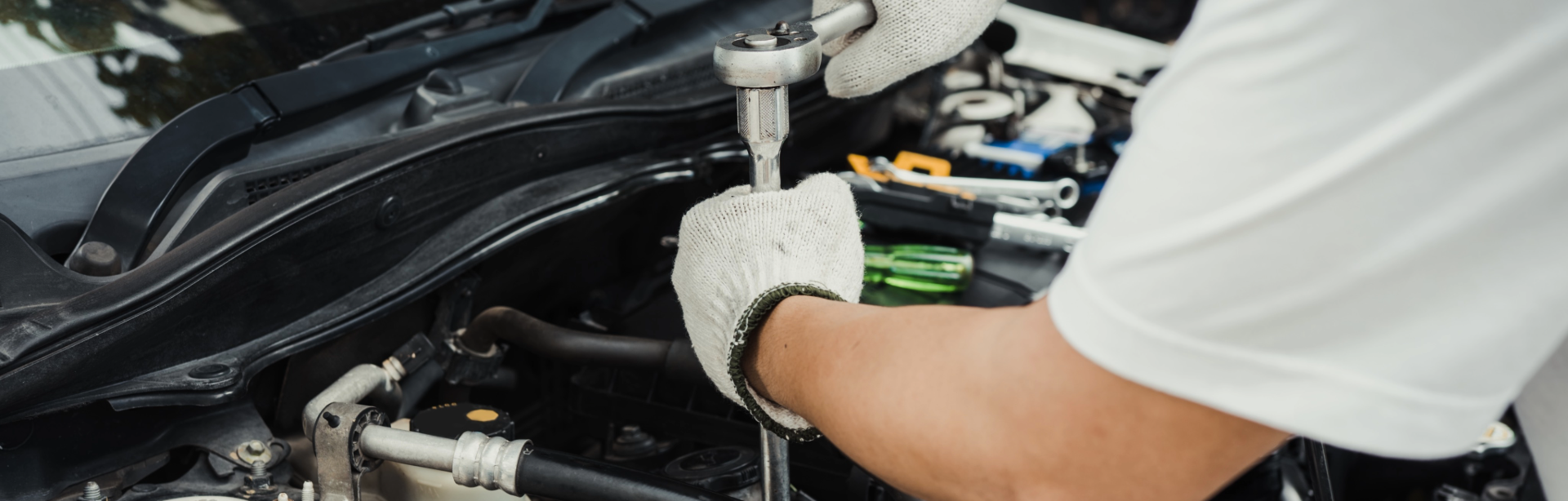
For East Peoria drivers, a general service timeline serves as a valuable planning tool alongside your owner’s manual and any available in-vehicle service reminders. This outline provides a framework to anticipate maintenance needs while accounting for common local driving conditions-like the short trips often seen on Springfield Road or the stop-and-go traffic along U.S. Route 150. While modern vehicles may include reminders, referring to this typical schedule can help ensure that you stay on top of essential service intervals, especially during the fluctuating seasons Illinois is known for.
What Services Are Needed in the First 30,000 Miles?
During the initial 30,000 miles of ownership, drivers typically focus on essential services such as routine oil changes, tire rotations, and air filter maintenance. The specific timing for these services can vary based on the model of your Ford, your driving habits, and the recommendations found in the owner’s manual.
What Maintenance Should Be Done Between 30,000 and 60,000 Miles?
As your Ford approaches the 30,000 to 60,000 mile mark, maintenance often shifts from basic upkeep to more involved services that protect key systems. This is especially relevant for drivers in East Peoria, where local driving conditions, such as stop-and-go traffic on Springfield Road or highway speeds on Interstate 74, can impact your vehicle’s performance. Be sure to consult your owner’s manual for specific recommendations tailored to your model and driving habits.
Maintaining fresh transmission fluid is crucial for ensuring smooth gear shifts and the longevity of your vehicle’s complex transmission system, which can become strained under diverse driving conditions.
Brake fluid can absorb moisture over time, which may affect braking performance. Regular inspections of your brakes and tires become increasingly vital for safe driving in East Peoria’s varied weather and road conditions. Whether you’re handling wet roads on Veterans Drive or navigating the hustle of U.S. Route 150, having a solid grip on your brakes and tires is essential. For additional insights on vehicle reliability and owner experiences, check out Consumer Reports.
What Major Services are Required Approaching 100,000 Miles?
As your Ford vehicle nears the 100,000-mile mark, it’s common to consider a few important maintenance services. The specific needs can vary by model and engine type, so always check your owner’s manual and any in-vehicle maintenance information for the most accurate guidance applicable to your vehicle.
Spark plug replacement: Many Ford models may benefit from spark plug replacement around this time, though the exact timing can depend on the specific engine design. Fresh spark plugs can significantly improve your vehicle’s efficiency, ensuring smooth starts and reliable performance as wear accumulates over the years.
Timing belt replacement and coolant service: For some older Ford engines, a timing belt may be due for replacement, while many newer models utilize a timing chain that typically doesn’t require the same routine replacement. Additionally, performing a coolant flush or replacement can help protect your vehicle’s cooling system from corrosion and overheating, supporting long-term reliability.
Why is Local Expertise Important for Servicing Your Ford?
Having a service team that understands the unique conditions of East Peoria is crucial for maintaining your Ford vehicle. From the sweltering heat and high humidity of summer to the pollen-filled spring, local technicians are attuned to the specific environmental factors that can impact performance. They know that the fine clay and dust prevalent in our area can quickly clog air filters and affect engine efficiency. Additionally, understanding traffic patterns on roads like Springfield Road and the busy intersections at U.S. 150 helps our team anticipate wear and tear that might be overlooked elsewhere.
Technicians at Uftring Ford are experienced in identifying region-specific issues, ensuring that your vehicle is well-prepared for the challenges of our climate and roads. They specifically watch for signs of wear that may arise from local driving habits, such as stop-and-go traffic during rush hours or the impacts of seasonal weather on tire performance and battery life. For more insights on vehicle safety and maintenance, consider checking out resources from the National Highway Traffic Safety Administration (NHTSA) and other Ford owner materials.
Frequently Asked Questions (FAQs)
How often should I change my oil for my Ford vehicle?
Your vehicle’s service reminder or owner’s manual is the best guide, as oil change intervals can vary based on driving habits and conditions. For many Ford models, especially in East Peoria’s climate, oil changes are typically recommended every 5,000 to 10,000 miles depending on the type of oil used.
What should I consider for tire maintenance in East Peoria?
Regularly checking tire pressure and tread depth is crucial, especially during seasonal changes. In East Peoria, where winter can bring icy conditions, maintaining proper tire health can significantly enhance traction and safety.
Does commuting on local highways affect my service intervals?
Yes, frequent stop-and-go traffic, like that on I-74 or U.S. Route 150, can lead to increased wear on your engine and brakes. If your Ford has a service reminder system, it may suggest more frequent maintenance based on your driving patterns.
How often should I change my cabin air filter?
For optimal air quality, it’s recommended to inspect your cabin air filter annually. In East Peoria, where pollen can be prevalent in spring, changing it every 12,000 to 15,000 miles can keep your vehicle’s interior air fresh.
Is all-wheel drive (AWD) beneficial for East Peoria drivers?
While not essential for everyone, a Ford with AWD can provide enhanced stability during East Peoria’s rainy and snowy conditions, improving traction on both highways and local roads.
What is the service schedule for older Ford vehicles without a reminder system?
For older models lacking a service reminder, it’s advisable to change the oil every 5,000 miles using conventional oil or every 7,500 miles with synthetic oil, along with following the maintenance intervals outlined in your owner’s manual.
What community initiatives does Uftring Ford participate in?
Uftring Ford actively engages in community support through various local events and sponsorships, demonstrating a commitment to the East Peoria area and its residents.
How does Uftring Ford ensure quality service for its customers?
Uftring Ford prides itself on having factory-trained technicians who are dedicated to providing top-notch service and care for all Ford vehicles, ensuring reliability and performance for every customer.
How often should I really change my oil in North Carolina’s climate?
Your vehicle’s service reminder or owner’s manual is the most accurate guide, as intervals can vary based on driving habits and conditions. However, given our hot, humid summers, most local drivers find oil changes are recommended every 5,000 to 10,000 miles depending on the vehicle and oil type.
Are all-season tires enough for the Asheboro area?
For the vast majority of the year, high-quality all-season tires are perfectly suitable for driving in Asheboro and the surrounding areas. They provide reliable traction for our typical rain and mild winter conditions.
Does commuting on local highways affect my service intervals?
Yes, it can. Frequent stop-and-go traffic on congested highways can be harder on your engine, transmission, and brakes than steady highway driving. If your vehicle has a service reminder system, it may account for this and recommend services sooner.
With all the pollen, how often should I change my cabin air filter?
We recommend inspecting your cabin air filter annually, especially after the heavy spring pollen season. For many drivers in our region, replacing it every 12,000 to 15,000 miles keeps the air inside your Ford clean and your A/C system running efficiently.
Is AWD worth it for this area?
While not a necessity for everyone, a Ford with available AWD provides a significant advantage during North Carolina’s sudden, heavy downpours. It enhances stability and traction on wet pavement, offering extra confidence on both highways and local roads.
My vehicle doesn’t have a service reminder system. What schedule should I follow?
For older models without a service reminder system, a good rule of thumb is to change the oil every 5,000 miles with conventional oil or 7,500 miles with synthetic oil. Following the service intervals outlined in your owner’s manual for other items like filters, fluids, and timing belts is the best practice.
About Uftring Ford
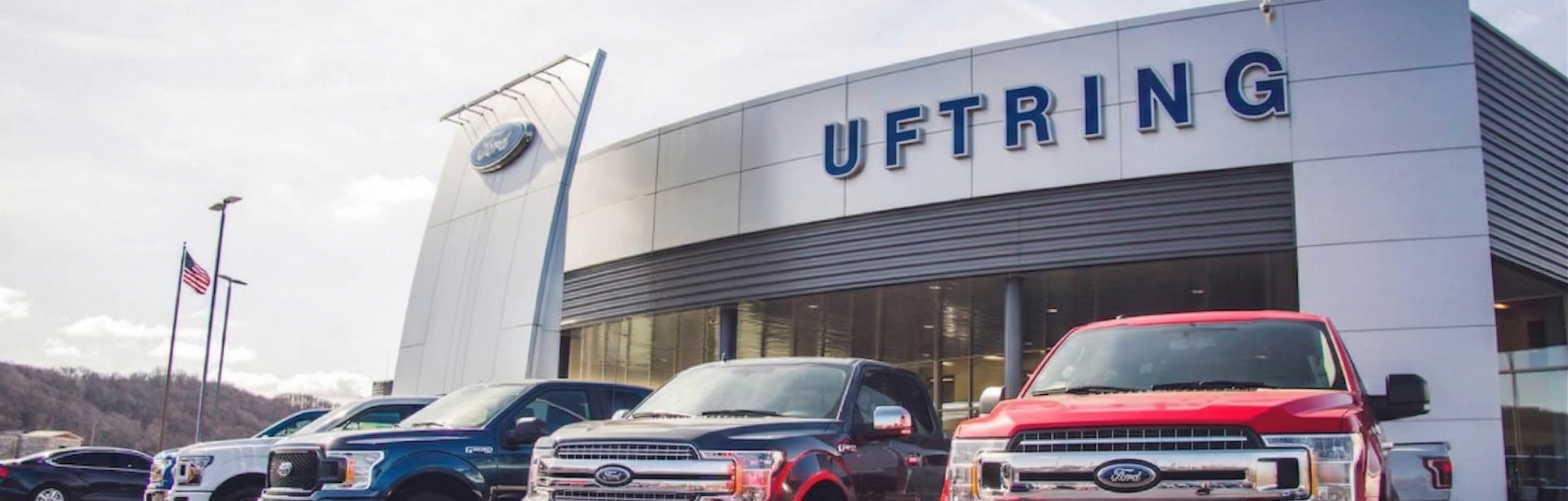
At Uftring Ford, I am proud to serve the East Peoria, Peoria, Pekin, and Morton communities as the premier destination for all things Ford. Our dealership has been a staple of Central Illinois since our founder Gary Uftring began his automotive career in 1982, eventually opening this location in 1999. We are recognized as an industry expert with multiple J.D. Power awards for quality, performance, and dependability, alongside the prestigious Ford Chairman’s Award for excellence. I am deeply committed to the red carpet treatment, ensuring every customer benefits from the knowledge of our factory trained technicians and dedicated sales team. Whether you are visiting us for a new F-150 or professional service, you are partnering with a team that has decades of experience standing behind every vehicle we sell.
Related Articles:
The Ultimate Guide to Finding the Best Ford Dealer in East Peoria, IL
0 comment(s) so far on Understanding the Ford Service Schedule